Market snapshot, September 2026
Manchester sits in the strongest regional price picture in England. North West values rose 4.4% in the year to July 2026 against a UK average of 1.4%, and the city itself averages £252,000. Rents have moved faster than prices, up 4.2% over the year to £1,373 a month, which is what keeps income yields firm while capital values consolidate.
Across all property types in the city, gross yields work out at roughly 6.5% on ONS price and rent data. City centre apartments, which transact below the all stock average while renting above it, typically sit higher, and the schemes we bring to market are priced to run between 6 and 9.6% gross.
The regeneration pipeline is unusually deep. The Old Trafford Mayoral Development Corporation was constituted in January 2026 to deliver 15,000 homes and 48,000 jobs across 370 acres. Victoria North remains the largest single scheme at £4bn and 15,000 homes over roughly twenty years, with its first 274 homes due this year. Greater Manchester has also committed a £1bn Good Growth Fund, of which £98.1m has been allocated to Manchester projects expected to unlock £1.3bn of private capital.
The North West is forecast to be flat across 2026, rise 3.5% in 2027 and grow 25% cumulatively to 2030, the joint strongest regional outlook in the UK.
Where to invest in Manchester
Manchester is not one market. Tenant profile, rent and resale depend heavily on the neighbourhood, so these are the areas we focus on.
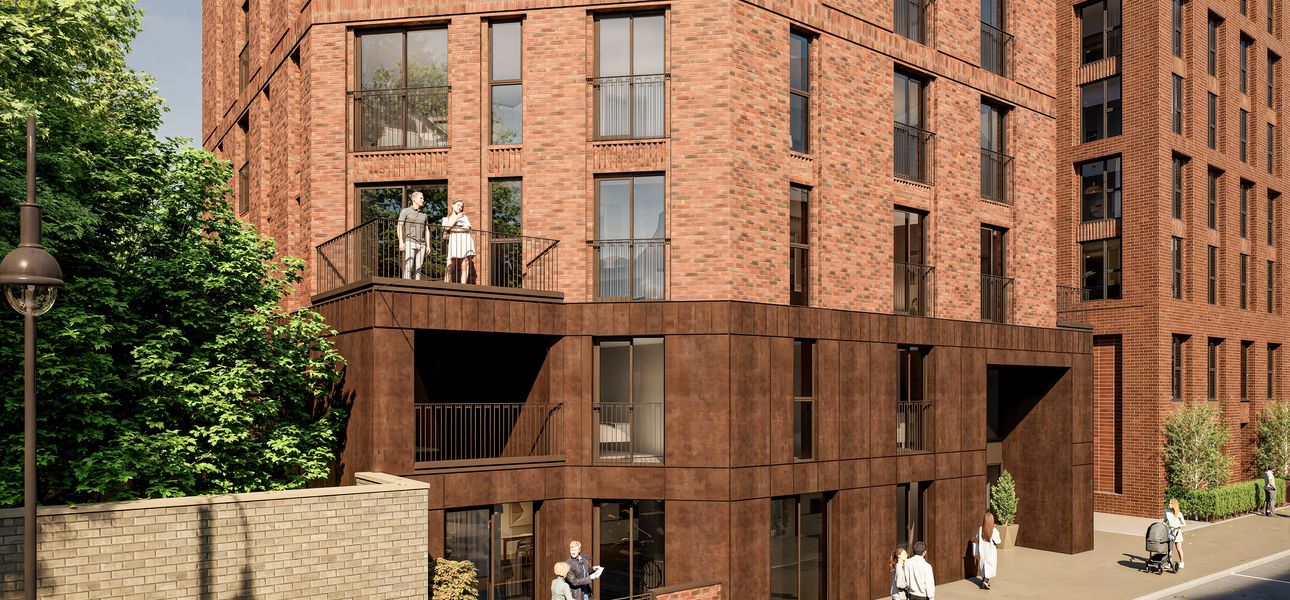
- City centre and Piccadilly. The deepest pool of professional tenants in the North, next to the main rail hub and the Mayfield regeneration. Our Piccadilly Wharf development sits here.
- Ancoats, New Islington and the Northern Quarter. Converted mills and new build apartments popular with young professionals, walking distance from the centre.
- Salford Quays and MediaCityUK. Waterside apartments on the tram line, home to the BBC and ITV and a growing base of media and tech employers.
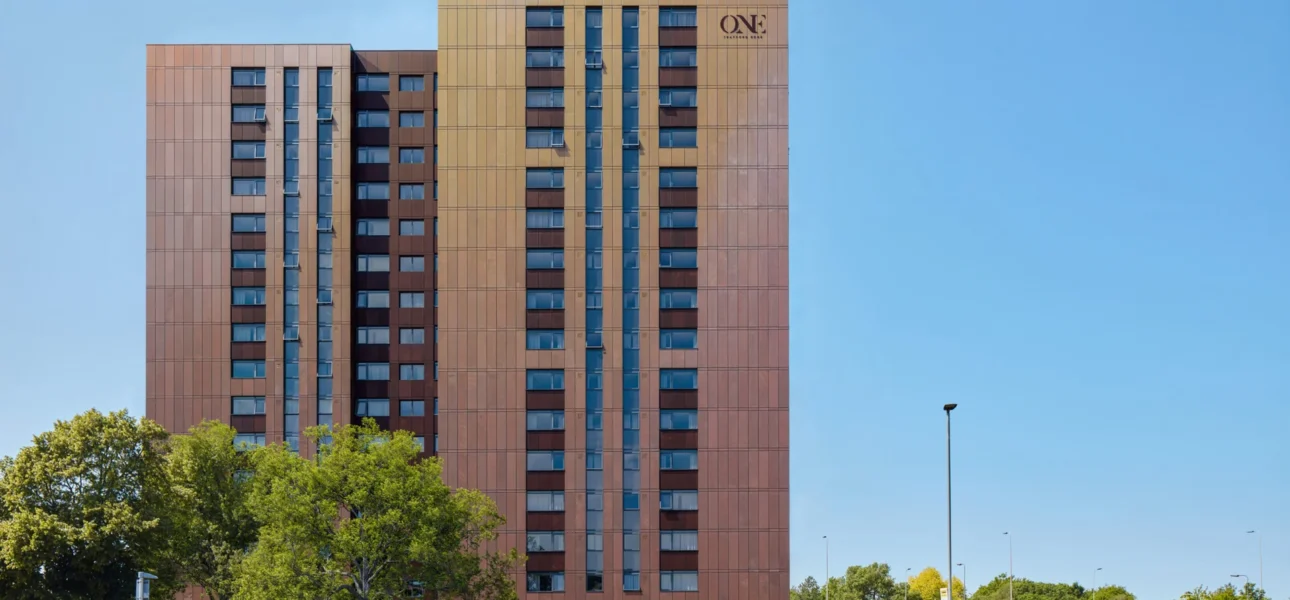
- Trafford and Old Trafford. Lower entry prices inside the Old Trafford regeneration zone, where a Mayoral Development Corporation is set to deliver 15,000 homes and 48,000 jobs. See ONE Trafford Edge and Velocity.
- Victoria North. The largest single scheme in the city at £4bn and 15,000 homes over roughly twenty years, with its first homes arriving in 2026. A long term growth story rather than an immediate income play.
- Castlefield and Deansgate. Established, premium and easier to resell, with lower yields to match.
Off plan or completed?
Buying off plan in Manchester usually means a lower price than the finished building will command, a 10 to 20% deposit with the balance due on completion, and time to arrange your mortgage. The trade off is waiting one to three years for rent. Completed property lets immediately and removes build risk, but costs more to enter. For a first purchase, a completed or nearly complete apartment is often the simpler start; for a second, off plan can add growth potential alongside existing income. Our off plan guide covers the process in detail.
Buying costs and tax basics
- Stamp duty. Buy to let and second homes in England carry a 5% surcharge on top of standard rates, and non UK residents pay a further 2%. Use our stamp duty calculator for an exact figure.
- Legal fees. Typically £1,500 to £2,500 for a new build purchase through a specialist solicitor.
- Mortgages. Buy to let lenders usually want a 25% deposit, and rent must cover the interest by a set margin.
- Personal or company ownership. Individual landlords can only claim basic rate tax relief on mortgage interest, which is why many higher rate taxpayers buy through a limited company. Take advice from an accountant before you decide.
How we help
We shortlist Manchester developments that meet our checks on developer track record, pricing and rental demand, negotiate on your behalf and stay with you through completion, furnishing and letting. There is no fee to you; the developer pays us. Tell us your budget and we will send the two or three we would choose.
Manchester guides and articles
- Manchester property investment: how location changes the numbers
- Buy to let properties in Manchester: yields and areas
- Manchester buy to let yields explained
- Off plan property in Manchester
- Strategies for off plan property in Manchester
- How to start a Manchester buy to let
Frequently asked questions
Is Manchester still a good place to invest in property in 2026?
Manchester combines an average price of about £252,000 with rents that rose 4.2% over the past year, which keeps income yields firm while prices consolidate. Savills forecasts the North West to be flat in 2026, then to grow 3.5% in 2027 and 25% in total to 2030, the joint strongest outlook of any UK region.
What rental yield can I get in Manchester?
Across all property types the city works out at roughly 6.5% gross on ONS price and rent data. City centre apartments usually sit above that, and the schemes we currently recommend are priced to run between 6 and 9.6% gross. Net yields are lower after service charges, management and void periods.
Which areas of Manchester are best for buy to let?
The city centre, Piccadilly and Ancoats have the deepest demand from young professionals. Salford Quays and MediaCityUK suit tenants working in media and tech, while Trafford and Old Trafford offer lower entry prices inside a major regeneration zone. The right choice depends on whether you prioritise yield, growth or ease of resale.
How much deposit do I need to buy in Manchester?
Most off plan developments ask for a 10 to 20% deposit on exchange, with the balance due on completion. On a £200,000 apartment that means £20,000 to £40,000, plus stamp duty and legal fees. Buy to let mortgages usually need at least a 25% deposit at completion.
Should I buy off plan or completed property in Manchester?
Off plan usually means a lower entry price, time to save towards completion and a brand new building. Completed property produces rent from day one and lets you see exactly what you are buying. Many of our investors hold a mix of both.
Do I pay extra stamp duty on a Manchester buy to let?
Yes. Additional residential property in England carries a 5% surcharge on top of the standard rates, and buyers who are not UK resident pay a further 2%. Our stamp duty calculator works out the exact figure for any price.